Explore Burien top Residential Glass Installation for Professional Residential Glass Services
Explore Burien top Residential Glass Installation for Professional Residential Glass Services
Blog Article
Skilled Residential Glass Installation Services for Your Home
Skilled home window installation offerings offer homeowners a mix of practicality and aesthetic appeal. These specialists assure that every installation complies with security requirements while boosting the overall look of the property. With a variety of choices on hand, from oversized panes to ornamental glazing, homeowners can discover personalized solutions. Grasping the benefits and procedures involved can substantially influence a home's value, but what elements should one consider before deciding?
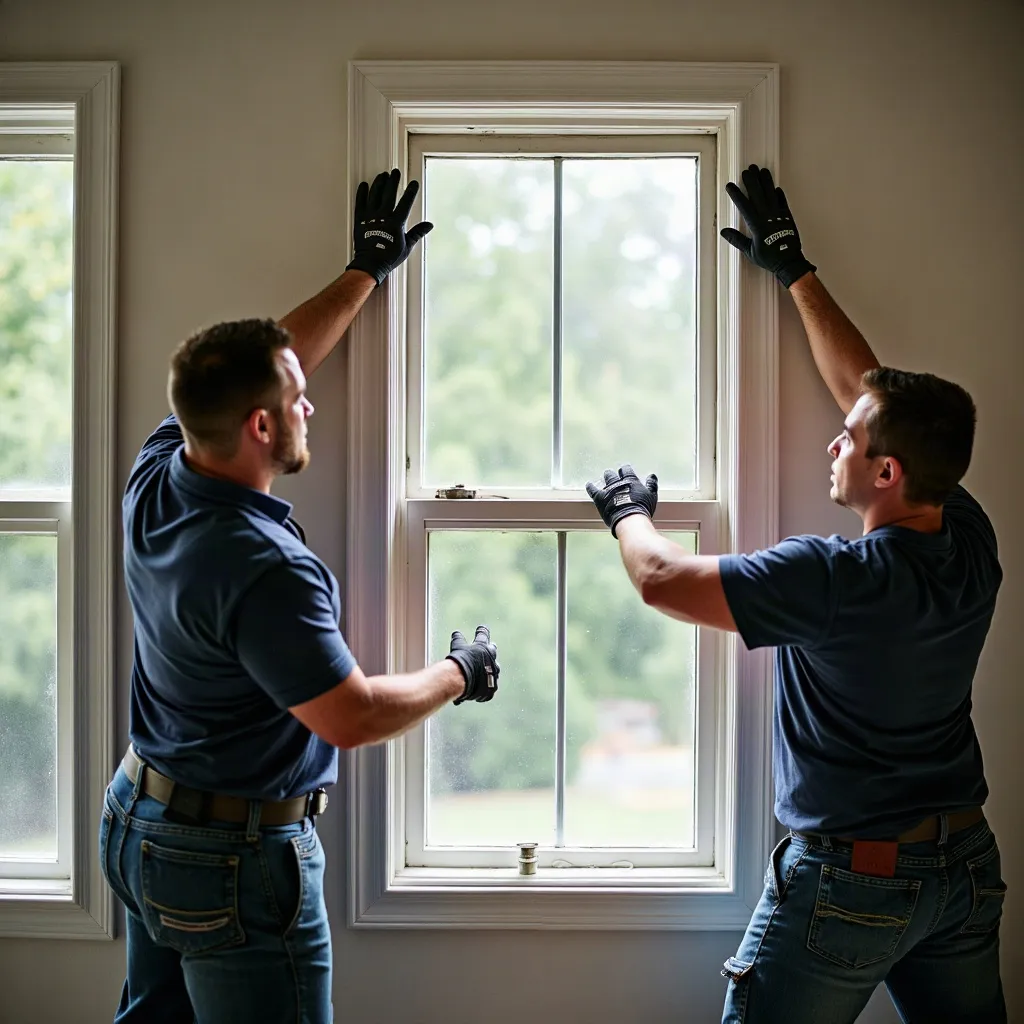
Why Choose Expert Glass Installation Services?
Utilizing skilled glass installation options ensures a smooth and expert approach to improving home environments. Professionals possess the necessary skills and experience to verify that installations meet safety standards and aesthetic requirements. Their knowledge of different glass varieties and installation methods enables for customized options that suit individual homeowner needs.
Additionally, skilled services often give warranties, offering peace of mind regarding the durability and longevity of the installation. This assurance is vital, as improper installation can result in issues like leaks or structural weaknesses. In addition, professionals typically utilize quality materials and professional tools, ensuring a finished product that is both functionally sound and aesthetically pleasing.
Find the Best Types of Glass Installations for Your Home
What styles of glass installations can enhance a home's appearance and functionality? Multiple options are accessible, each delivering distinct benefits. For example, large picture windows establish a seamless link between indoor and outdoor spaces, boosting natural light and views. Sliding glass doors act as stylish separators, enabling for easy access to patios and gardens while maintaining an open feel.
Another preferred choice is glass railings, which deliver safety without blocking sightlines, suitable for balconies or staircases. Additionally, glass shower enclosures improve bathroom design, swapping traditional curtains or screens with sleek, modern alternatives.
Ultimately, decorative glass options, such as stained or frosted glass, can deliver personal expression to entryways or interior spaces. Each type of installation supports not only the visual appeal but also the overall functionality of a home, making informed choices essential for homeowners.
Why Energy Efficiency Makes a Difference When Choosing Glass?
When deciding on glass for residential installations, energy efficiency is a paramount concern. Enhanced insulation performance can yield remarkable cost advantages over time, benefiting both homeowners and the environment. Understanding these factors can guide strategic choices that contribute to responsible living.
Insulation Performance Rewards
Despite several factors shaping the preference of residential glass, insulation performance proves paramount as a important aspect for enhancing energy efficiency. High-quality insulated glass units (IGUs) markedly lower heat transfer, maintaining homes heated in winter and cool in summer. This thermal regulation limits reliance on climate control systems, ultimately lowering energy consumption. Additionally, advanced technologies such as low-emissivity coatings and argon gas fills improve insulation performance, further enhancing energy efficiency. Homes equipped with superior insulation glass gain from a more stable indoor climate, fostering comfort and lessening the risk of condensation. Consequently, investing in high-performance insulation glass not only aids environmental sustainability but also enhances overall living conditions for residents.
Long-Term Cost Advantages
The effectiveness of energy plays a crucial role in the prolonged financial benefits of residential glass selection. Choosing high-performance glass options allows homeowners to reduce their energy consumption, leading to lower utility bills. Energy-efficient windows help limit heat transfer, ensuring homes stay more comfortable during summer and cozier in winter. This decrease of energy use not only reduces costs but also enhances overall comfort. Additionally, energy-efficient glass often qualifies for tax credits or rebates, granting extra fiscal benefits. In the long run, the initial expenditure on quality glass can bring considerable savings, making it a prudent choice for homeowners. Ultimately, putting energy efficiency first in glass selection contributes toward both economic and comfort advantages in residential settings.
Environmental Implications Considerations
How can the choice of glass affect the environment? The choice of energy-efficient glass considerably helps lowering a home’s carbon footprint. High-performance glazing can reduce heat transfer, leading to decreased energy consumption for heating and cooling. This decrease in energy use translates to reduced greenhouse gas emissions from power plants. Additionally, selecting durable, recyclable glass options promotes sustainability by cutting waste and preserving resources. Energy-efficient glass can also improve indoor comfort, decreasing reliance on artificial lighting and heating. Ultimately, homeowners who focus on environmentally conscious choices in glass installation not only benefit from energy savings but also contribute positively to environmental conservation. Making educated decisions about glass types is crucial for a sustainable future.
Key Factors to Consider When Choosing Glass for Your Home
Deciding on the appropriate glass for a property involves detailed assessment of diverse components that can greatly affect both design and practicality. First, house owners should examine the type of glass, such as strengthened, layered, or double-glazed, each offering special gains relating to safeguarding and thermal protection. Second, width plays a considerable role; thicker glass gives enhanced sound insulation and strength.
Energy efficiency is an important additional factor; low-emissivity (Low-E) coatings can lower energy costs by bouncing back heat. Additionally, the style and design of the glass should enhance the architectural features of the home, ensuring a cohesive look.
Finally, local climate conditions may influence the choice of glass; for instance, homes in colder regions may gain advantages with insulated glazing. By thoroughly considering these factors, homeowners can select the most suitable glass to enhance their living spaces.
What to Prepare For During the Glass Installation Procedure?
During the glass installation process, property owners will encounter several key stages. It opens with an starting consultation to assess specifications and inclinations, followed by a structured installation day procedure. After installation, post-care tips will confirm the persistence and preservation of the new glass features.
First Consultation Outline
The initial consultation for residential glass installation sets the stage for a successful project. Homeowners can anticipate a thorough assessment of their requirements and desires during this meeting. An experienced consultant will arrive to assess the space, discuss style choices, and recommend suitable glass types, taking into account elements such as aesthetics, energy efficiency, and safety. Homeowners are invited to ask questions and communicate any particular worries they may have. This joint conversation helps ensure that the project corresponds with the homeowner's vision and budget. Additionally, the consultant will outline the timeline and process, offering insight on what to anticipate going ahead. Overall, this first consultation is vital for establishing a strong base for the installation process.
Installation Day Checklist
With the initial consultation finished, homeowners can anticipate a smooth installation day. The process usually begins early in the morning, with the arrival of the installation team, who will evaluate the site and prepare the area. Protective coverings may be laid down to safeguard existing surfaces. The skilled technicians will meticulously remove any old glass before installing the new pieces, ensuring proper alignment and fit. Throughout the process, communication remains essential; homeowners will be updated on progress and any potential concerns. Once the installation is complete, the team will conduct thorough inspections, confirming that everything meets quality standards. Finally, the area will be cleaned, leaving homeowners with beautiful, newly installed glass ready for use.
Post-Installation Maintenance Tips
After the installation is complete, homeowners should be aware of essential post-installation care tips to guarantee the longevity and clarity of their new glass. First, it is vital to avoid any sudden temperature changes, as these can damage the glass. Homeowners should also refrain from cleaning the glass for at least a week, allowing any adhesives to cure properly. Once cleaning can commence, it is advisable to use a soft, lint-free cloth and a gentle glass cleaner to avoid scratches. Regular inspections for any signs of moisture or sealant failure are recommended. Additionally, homeowners should be mindful of the surrounding areas to prevent accidental impacts that could damage the glass. Following these tips helps maintain the aesthetics and functionality of newly installed glass.
Improve Your Home's Worth With Seasoned Glass Fitting
Enhancing a home's aesthetic appeal and functionality can greatly elevate its market value, and professional glass fitting plays an essential role in this upgrade. High-quality glass installations, such as new windows, sliding doors, or glass railings, not only enhance the appearance but also enhance energy efficiency. Proper insulation and modern glazing techniques can lower utility expenses, making homes more attractive to potential buyers.
Additionally, well-executed glass installations can create a seamless connection between indoor and outdoor spaces, bringing in natural light and fostering a sense of openness. This desirability is particularly valued in the contemporary real estate market, where buyers seek homes that offer both style and green living.
Furthermore, the proficiency of professional installers ensures that the glass is learn now fitted safely, reducing risks of damage or future maintenance issues. Overall, choosing expert glass installation not only beautifies a home but also greatly increases its resale value.
Commonly Inquired Questions
What Timeframe is Required for a Common Glass Installation?
A standard glass installation usually takes around 2-4 hours, depending on the job's complexity and size. Considerations including preparation, climate, and the type of glass can also impact the schedule.
Do You Protected by Warranties When Installing Glass?
Indeed, warranties on glass installations are commonly available, delivering customers with confidence and security. The duration and terms of these warranties may vary, so it's wise to inquire about particular information during the consultation meeting.
What Kinds of Payment Do You Take?
They take different payment options, covering major credit cards, debit cards, and cash. Furthermore, payment plans may be available, ensuring options for customers to select a payment plan that best meets their needs.
Can You Provide Glass Fix Options as Too?
Absolutely, they render glass repair solutions, dealing with wide-ranging problems such as cracks and shatters. Their trained professionals assure dependable and prompt repairs, restoring the robustness and aesthetic of residential glass installations for homeowners.
What Safety Procedures Are Applied During the Installation Process?
During installation, the team puts in place multiple protective procedures, such as wearing safety equipment, isolating job sites, employing correct lifting methods, and ensuring that all tools and materials meet safety requirements to avoid incidents and harm.
Report this page